What is Metabolism?
Metabolism refers to the intricate biochemical processes that occur within the body, playing a critical role in converting food into energy. It is fundamentally categorized into two key components: catabolism and anabolism. Understanding these processes is essential to grasping how metabolism influences our daily health and bodily functions.
Catabolism is the process by which larger molecules are broken down into smaller units, releasing energy that the body can utilize. This energy is vital for various bodily functions, including maintaining body temperature, facilitating movement, and supporting the activity of organs. For instance, when carbohydrates are consumed, they are converted through catabolic reactions into glucose, which serves as a primary energy source for our cells.
On the other hand, anabolism involves the synthesis of complex molecules from simpler ones. This process is crucial for growth, repair, and maintenance of body tissues. For example, during periods of growth or muscle building, the body utilizes anabolic processes to increase muscle mass and repair damaged tissues. Hormones, such as insulin and growth hormone, play significant roles in regulating these anabolic pathways.
Metabolism is not only important for energy production; it also influences our weight and overall health. A higher metabolic rate means more calories are burned, which can aid in weight management. Furthermore, metabolic processes are essential for synthesizing hormones, proteins, and nucleic acids, all of which are vital for physiological functions. Therefore, a well-functioning metabolism is paramount for sustaining life and promoting a healthy lifestyle.
How Metabolism Affects Our Bodies
Metabolism plays a pivotal role in maintaining overall bodily functions and significantly influences health outcomes. At its core, metabolism refers to the biochemical processes that convert food into energy. This energy is necessary for various bodily functions, including growth, repair, and maintenance of cells. A higher metabolic rate enables the body to efficiently utilize calories, which can have a direct impact on energy levels and weight management.
The metabolic rate varies from person to person and is influenced by several factors, including age, gender, and genetics. Younger individuals typically have a higher metabolic rate compared to older adults, as muscle mass tends to decrease with age. Muscle tissue burns more calories at rest than fat tissue, making muscle growth a crucial factor in enhancing one’s metabolism. Consequently, individuals aiming to improve their metabolic efficiency often focus on strength training exercises to build and maintain muscle mass.
Gender also plays a significant role in metabolic rates. Men generally possess higher muscle mass than women, leading to greater calorie expenditure, even during inactivity. Furthermore, genetic predispositions can lead to variations in metabolism among individuals. Some may burn calories rapidly, while others may find it more challenging to maintain a desired weight. This genetic variability underscores the importance of personalized approaches to nutrition and activity.
Moreover, metabolism is essential for nutrient processing. It ensures that the body effectively breaks down carbohydrates, proteins, and fats, supplying the necessary components for energy production and overall health. An efficient metabolism allows for better nutrient absorption and utilization, which is vital for sustaining long-term health and combating conditions related to metabolic dysfunction.
Ways to Improve Metabolism
Improving metabolism is a key factor in maintaining a healthy weight and overall well-being. One of the most effective methods to enhance metabolic rate is through regular physical activity. Engaging in aerobic exercises, such as running, swimming, or cycling, can increase energy expenditure both during and after workouts. Additionally, incorporating resistance training is crucial, as building muscle mass raises the resting metabolic rate. Muscles require more energy to maintain than fat, resulting in a higher basal metabolic rate (BMR).
Another important aspect of metabolism enhancement is diet. Consuming a balanced diet that includes a substantial amount of protein can boost metabolic processes. Proteins have a higher thermic effect compared to carbohydrates and fats, meaning that the body expends more energy digesting protein-rich foods. Foods such as lean meats, legumes, dairy, and nuts should be included to ensure adequate protein intake. Moreover, it’s vital to stay hydrated, as water plays a significant role in metabolic reactions. Studies have shown that drinking cold water may temporarily increase metabolism as the body expends energy to heat the water to body temperature.
Sleep should not be overlooked when considering how to improve metabolism. Inadequate sleep can lead to hormonal imbalances, which can negatively affect metabolic processes. Striving for 7-9 hours of quality sleep each night can support metabolic health. Additionally, meal timing and frequency can influence metabolism. Eating smaller, more frequent meals throughout the day can help maintain energy levels and promote metabolic function. Balancing carbohydrates, proteins, and healthy fats in every meal is essential for sustaining metabolic activity. Ultimately, adopting a holistic approach that includes proper nutrition, physical activity, and adequate rest is vital for enhancing metabolism and improving overall health.
Why Metabolism Slows Down with Age
As individuals age, a noticeable decline in metabolic rate often occurs, primarily due to a combination of physiological and lifestyle changes. One significant factor contributing to this metabolic slowdown is the gradual loss of muscle mass that typically accompanies aging. Muscle tissue requires more energy to maintain than fat tissue, meaning that a decrease in lean muscle can result in a diminished overall metabolic rate. This phenomenon, referred to as sarcopenia, not only impacts metabolism but also affects physical strength and functional capacity, leading to a cycle of reduced activity.
Furthermore, hormonal changes play a critical role in the slowing of metabolism as one ages. Key hormones such as testosterone and estrogen decline with age, and these hormones are integral to muscle maintenance, fat distribution, and energy regulation. As individuals reach middle age and beyond, the reduction in these hormones can accelerate fat gain and further decrease metabolic rate. Research indicates that this decline may lead to an increase in body fat percentage, particularly visceral fat, which is associated with various health risks.
Lifestyle factors also contribute to age-related metabolic changes. Reduced physical activity is common among older adults, often due to mobility issues, increased fatigue, or other health concerns. A sedentary lifestyle can exacerbate the loss of muscle mass and lead to further declines in metabolic function. Additionally, dietary habits may change with age, with some individuals opting for lower-calorie diets that fail to provide adequate nutrition for muscle preservation and metabolic health. Thus, it is essential to adapt dietary and exercise habits as one ages to counteract these biological and environmental factors. Engaging in regular strength training, maintaining a balanced diet rich in protein, and staying active are vital strategies for sustaining a robust metabolic rate throughout life.
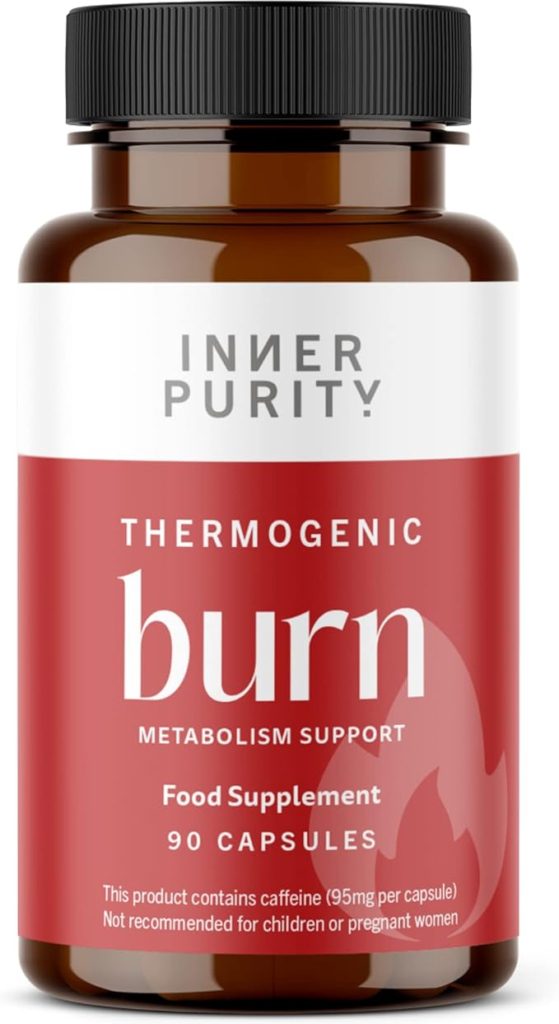
https://amzn.to/3GlRl8N Metabolism Booster
“As an Amazon Associate I earn from qualifying purchases”
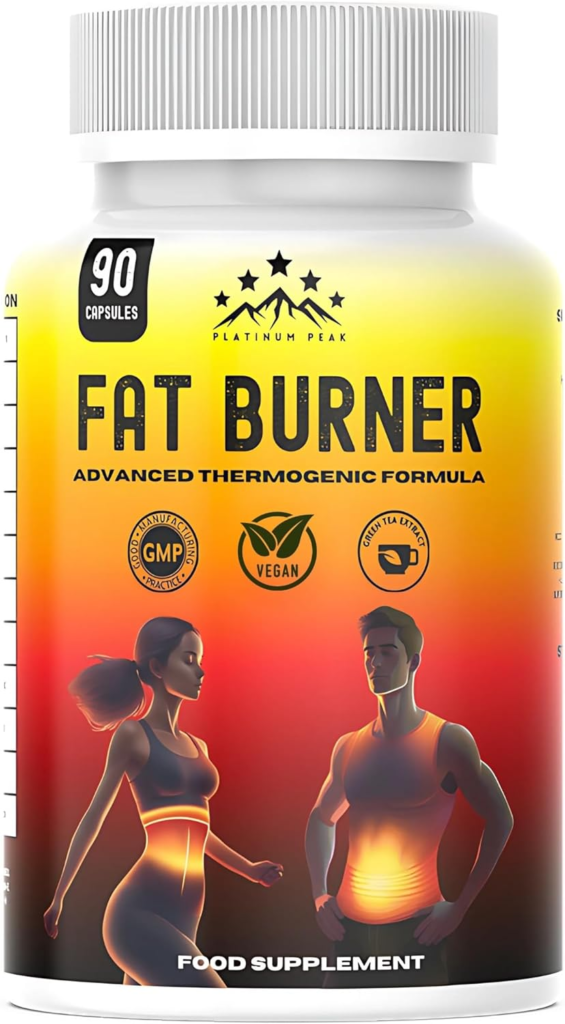
https://amzn.to/3XZdPCI Fat Burner