Fitness Insights Blog
Creatine is a naturally occurring compound found predominantly in muscle cells. It plays a crucial role in producing energy during high-intensity, short-duration exercises like sprinting or heavy lifting. Healthline+2Health+2dailytelegraph+2Healthline
How Does Creatine Work in the Body?
Approximately 95% of the body’s creatine is stored in muscles as phosphocreatine. During intense physical activity, phosphocreatine aids in the rapid regeneration of adenosine triphosphate (ATP), the primary energy carrier in cells. This process allows for sustained muscle contraction and improved performance during short bursts of high-intensity exercise. Healthline+1Wikipedia+1Wikipedia
Benefits of Creatine Supplementation
Supplementing with creatine has been shown to offer several benefits:
- Increased Muscle Mass and Strength: Creatine supplementation can lead to greater gains in muscle mass and strength, as it allows for more work during training sessions. Very well Health+4Mayo Clinic+4Baptist Health+4
- Enhanced Athletic Performance: By improving energy production, creatine enables athletes to perform better in high-intensity, short-duration activities. cyclingweekly.com
- Injury Prevention: Regular creatine use may reduce the frequency of dehydration, muscle cramping, and injuries to muscles, bones, ligaments, tendons, and nerves. Mayo Clinic
- Cognitive Benefits: Emerging research suggests that creatine may enhance cognitive function, including improvements in mental clarity and focus. The Guardian
Optimal Timing for Creatine Consumption
The timing of creatine supplementation can influence its effectiveness:
- On Workout Days: Consuming creatine shortly before or after exercise may be more beneficial than taking it long before or after workouts. Healthline+1Verywell Health+1
- On Rest Days: Timing is less critical, but maintaining consistent daily intake helps keep muscle creatine levels elevated. Verywell Health
Consistency in supplementation is key to achieving optimal results.
Recommended Creatine Supplement
For those interested in incorporating creatine into their fitness regimen, consider the following product:
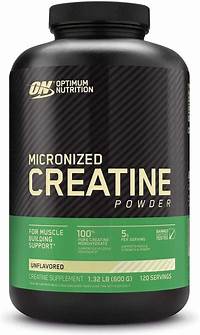
Optimum Nutrition Micronized Creatine Monohydrate Powder
This highly-rated creatine supplement supports muscle strength and power. It’s micronized for easy mixing and is unflavored, making it versatile for various beverages.
As an Amazon Associate, I earn from qualifying purchases.
Note: Before starting any new supplement regimen, it’s advisable to consult with a healthcare professional to ensure it aligns with your individual health needs and goals.
Sources
Check the product below.
Fitness Gallery
Explore our curated collection of fitness images showcasing training, nutrition, and wellness inspiration.


Identifying the Best Place to Work Out
When it comes to achieving a healthy lifestyle, one critical factor is the environment in which you choose to work out. The best place to exercise varies from person to person, depending on individual preferences, fitness goals, and accessibility. Some may thrive in the energy of a bustling gym, while others prefer the serenity of a home workout space or the beauty of nature in a park.
Overcoming Common Excuses
Many individuals often resort to excuses when contemplating their fitness journey. Common reasons such as lack of time, insufficient motivation, or unfavourable conditions can deter progress. However, recognizing these excuses as barriers rather than valid reasons is crucial for fostering a healthy lifestyle. Facilities such as community centres or local gyms often provide flexible schedules and affordable options, making it easier to integrate fitness into daily routines.
Creating a Tailored Fitness Environment
Ultimately, the best workout environment is one that aligns with your personal motivations and lifestyle preferences. Designing a home gym, utilizing online resources, or joining group classes can all contribute to a positive workout experience. By taking active steps to create an encouraging environment and setting realistic fitness goals, individuals can successfully eliminate excuses and enhance their commitment to a healthier life.
Understanding Free Weights
Free weights refer to any type of weight training equipment that is not fixed to a machine. This category encompasses various tools, such as dumbbells, barbells, kettlebells, and medicine balls. Each type of free weight serves a unique purpose in strength training, allowing for a wide array of exercises that can target specific muscle groups or promote overall functional fitness.1
One of the defining features of free weights is the requirement for the user to stabilize and control their movements throughout the exercise. Unlike machines that guide the range of motion, free weights necessitate the development of balance, coordination, and core strength. As individuals lift a dumbbell or barbell, they engage not only the primary muscles being targeted but also various stabilizing muscles that would otherwise remain inactive when using machines. This engagement contributes to improved overall strength and functionality in daily activities.
The versatility of free weights is another significant advantage. They can be used for an extensive range of exercises, from traditional lifts like the squat and bench press to more dynamic movements such as kettlebell swings or medicine ball slams. This adaptability makes free weights suitable for various fitness levels, allowing beginners to learn fundamental movement patterns while also providing advanced lifters with the means to explore complex exercises. Additionally, the use of free weights promotes a greater range of motion compared to machines, as users can move freely without constraints, further enhancing muscle engagement and joint mobility.
Incorporating free weights into a training regimen can lead to notable benefits such as enhanced functional strength, improved balance and coordination, and greater muscle control, making them an invaluable component of a well-rounded fitness program.
Exploring Weight Machines
Weight machines are an integral part of modern fitness facilities, designed to assist individuals in performing resistance training exercises. Operating through a sophisticated system of cables, pulleys, and lever mechanisms, these machines provide an effective way of engaging specific muscle groups while offering controlled movement patterns. This mechanism enhances safety and support, making it an advantageous option for those who are new to strength training.
One of the primary benefits of utilizing weight machines is the guided movement they offer. This feature is particularly beneficial for beginners, as it enables users to learn proper exercise techniques without the challenge of balancing free weights. The structured nature of machines ensures that the body is aligned correctly during each exercise, minimizing the risk of injury. For novice gym-goers, this can be a critical aspect of building confidence in their workouts.
Additionally, weight machines excel in promoting targeted muscle isolation. Unlike free weights, which often engage multiple muscle groups simultaneously, machines can specifically focus on one area of the body. This is particularly advantageous for individuals looking to rehabilitate an injury or develop strength in a specific muscle group. By allowing for targeted exercises, users can effectively tailor their training to meet personal fitness goals.
Another key advantage of weight machines is the ability to make quick adjustments. Most machines come equipped with adjustable settings that enable users to change the resistance level easily. This flexibility allows individuals to progressively increase the difficulty of their workouts while adhering to their personal fitness levels. As a result, weight machines can cater to a wide range of strength levels, making them suitable for various users, especially those embarking on their fitness journey.
Key Differences Between Free Weights and Machines
When evaluating the effectiveness of free weights versus machines for training, several critical differences come into play. One of the most significant variances lies in the movement style each method permits. Free weights allow for a more natural range of motion, mimicking everyday activities and engaging multiple muscle groups simultaneously. In contrast, machines typically guide users through a fixed movement pattern, which can be beneficial for isolating specific muscles but may limit functional strength development.
Muscle activation also diverges between these two training modalities. Free weights require greater stabilization, activating not only the primary muscle target but also secondary stabilizer muscles. This holistic engagement can lead to improved strength and coordination. On the other hand, machines often focus on singular muscle groups, which can yield quicker, isolated strength gains but may not translate as effectively into real-world strength and functionality.
In terms of risk of injury, safety considerations are paramount. Free weights can pose a greater injury risk if not used with proper form and technique, especially for beginners. Conversely, machines often provide a safer environment due to their guided nature and built-in safety features, making them a favourable option for those new to strength training. However, this does not eliminate the risk entirely, especially if the machine is misused or improperly adjusted.
Learning curves associated with each modality also differ. Free weights necessitate a greater emphasis on technique and body awareness, which can be daunting for novices but rewarding in the long run. Machines may present an easier entry point, allowing users to focus solely on lifting without the complexity of maintaining balance and form.
Cost and space considerations further differentiate free weights from machines. Free weights are generally less expensive and require minimal storage space, while machines can be costly and often necessitate significant room. In summary, the choice between free weights and machines ultimately hinges on individual fitness goals, experience levels, and personal preferences.
Choosing the Right Equipment for Your Goals
When it comes to fitness, selecting the right equipment is paramount for achieving your personal health goals. Free weights and machines both offer distinct advantages, and your choice should be guided by your experience level and training objectives. For beginners, it is often advisable to start with machines. They provide guided movements, minimizing the risk of injury while enabling users to focus on mastering proper form. Machines, with their present ranges of motion, help novice lifters develop foundational strength and confidence before transitioning to free weights.
Intermediate lifters may find that incorporating both free weights and machines into their regimen yields the most benefits. At this level, it is crucial to add variety to workouts to continue making progress. Free weights allow for a greater range of motion and engage additional stabilizing muscles, thus enhancing functional strength. Machines, on the other hand, can target specific muscle groups, allowing for isolation work that can support overall development. A balanced approach will facilitate continued progression and help prevent stagnation.
Advanced lifters should consider integrating more complex training strategies, blending free weights and machines to fine-tune their performance. This demographic often lies on the cutting edge of strength training, utilizing advanced techniques like supersets and drop sets. For those focused on bodybuilding or specific physique goals, free weights will promote greater muscle engagement and hypertrophy. Additionally, a well-equipped home gym can be a worthwhile investment, allowing for versatility while accommodating individuals’ unique fitness preferences.
For space-conscious trainees, consider compact equipment, such as adjustable dumbbells and resistance bands, that can effectively combine control and challenge without taking up excessive room. By leveraging both free weights and machines, individuals can create comprehensive and varied workout routines suitable for any level of experience.
Customer Reviews

”This blog transformed my fitness journey with amazing tips on training and nutrition!”

”I found great products through their recommendations, boosting my workouts and overall wellness.”
🏠 Top 5 Home Workout Products You Need
Staying fit at home has never been easier — especially with the right equipment. Whether you’re building a full home gym or just starting a simple routine in your living room, here are 5 must-have fitness products that will take your workouts to the next level.
1. Adjustable Dumbbells
Perfect for strength training without needing a full rack of weights.
- Save space and money with adjustable settings.
- Great for arms, chest, back, and full-body exercises.
- Ideal for beginners and advanced users alike.
“As an Amazon Associate, I earn from qualifying purchases.”
2. Resistance Bands Set
A portable, powerful alternative to traditional weights.
- Comes with multiple tension levels.
- Excellent for warm-ups, mobility work, and strength training.
- Includes handles and ankle straps for versatility.
👉 View Resistance Bands Set “As an Amazon Associate, I earn from qualifying purchases.”
3. Yoga Mat (Non-Slip)
A solid foundation for every workout, from yoga to core training.
- High-density cushioning for comfort and joint protection.
- Non-slip surface keeps you stable.
- Easy to roll up and store.
👉 See Yoga Mat Options As an Amazon Associate, I earn from qualifying purchases.”
4. Pull-Up Bar (Doorway Mount)
Build upper body strength with a tool that fits almost anywhere.
- No drilling required — installs in most door frames.
- Use for pull-ups, chin-ups, leg raises, and more.
- Lightweight yet sturdy.
👉 Buy a Pull-Up Bar As an Amazon Associate, I earn from qualifying purchases.”
🏋️♂️ Free Weights vs. Machines: Which Is Better for Your Training?
When it comes to building strength and staying in shape, one of the most common questions is:
“Should I train with free weights or machines?”
Both types of equipment have their place in a well-rounded fitness program. The key is understanding the differences, benefits, and when to use each based on your goals and experience level.
🔩 What Are Free Weights?
Free weights include equipment like dumbbells, barbells, kettlebells, and medicine balls. They are not attached to any structure, meaning your body must stabilize and control every movement.
✅ Benefits of Free Weights
- Functional Strength: Engages more muscles, especially stabilizers, which translates better to real-life movements.
- Versatility: You can perform a wide variety of exercises with a single pair of dumbbells or a barbell.
- Improves Balance and Coordination: Great for developing motor control and joint stability.
- More Range of Motion: You control how deep or high you go in movements like squats or presses.
🛠️ What Are Weight Machines?
Machines are designed to guide your movement along a set path. They usually involve cables, pulleys, or lever systems, and are commonly found in commercial gyms.
✅ Benefits of Machines
- Beginner-Friendly: Easier to learn and reduces the risk of injury, making them great for new lifters.
- Targeted Muscle Isolation: Excellent for focusing on specific muscles without requiring a lot of coordination.
- Support and Safety: Useful for people with injuries or mobility issues because they provide back or joint support.
- Quick Adjustments: Perfect for time-efficient workouts, especially in busy gyms.
⚖️ Free Weights vs. Machines: Key Differences
| Feature | Free Weights | Machines |
|---|---|---|
| Movement | Natural and multi-directional | Fixed and guided |
| Muscle Activation | Engages core and stabilizers | Focuses on isolated muscles |
| Risk of Injury | Higher (if form is incorrect) | Lower (more controlled) |
| Learning Curve | Steeper – requires technique | Easier for beginners |
| Equipment Cost/Space | Affordable, space-saving at home | Expensive and bulky |
| Functional Transfer | High – mimics real-world movements | Lower – less carryover to daily tasks |
🧠 Which One Should You Choose?
It depends on your goals:
- Beginners or people recovering from injury → Start with machines to build confidence and basic strength safely.
- Intermediate to advanced lifters → Incorporate more free weights for full-body strength and functionality.
- Home gym users → Free weights offer more versatility in smaller spaces.
- Bodybuilders or those focusing on muscle shape → Machines help isolate and fatigue specific muscle groups.
🏁 Final Thoughts
There’s no need to pick one over the other. In fact, the best training programs use both! Use machines to learn movement patterns or focus on weak points. Use free weights to build real-world strength, balance, and control.
The real “winner” is the one that fits your needs, goals, and lifestyle.
💡 Bonus Tip:
If you’re building a home gym and want space-saving gear that offers both control and challenge, check out some highly rated equipment options here:
👉 Adjustable Dumbbells on Amazon
👉 Multi-Function Home Gym Machine
As an Amazon Associate, I earn from qualifying purchases.