THE BEST OPTION TEA

What is Matcha and Its Origin
Matcha is a finely ground powder made from specially cultivated green tea leaves, particularly the Camellia sinensis plant. Unlike regular green tea, which is brewed and steeped, matcha involves consuming the entire leaf, thereby maximizing its nutritional benefits. The process of creating matcha is meticulous and starts with the shading of tea plants several weeks before harvest. This technique increases chlorophyll levels, enhances the flavor, and adds a vibrant green color to the leaves.
The origins of matcha can be traced back to the Tang dynasty in China, where powdered tea gained popularity. However, it was during the late 12th century when matcha was introduced to Japan by the Buddhist monk Eisai. He recognized its stimulating effects and health benefits and began promoting matcha in Japanese Zen Buddhism practices. Over time, Japan cultivated its own unique practices surrounding matcha, leading to the rich tradition we see today.
Traditionally, matcha has played a significant role in Japanese tea ceremonies, known as “chanoyu.” This ceremonial preparation of matcha emphasizes harmony, respect, purity, and tranquility. Participants engage in a mindful experience, demonstrating appreciation for the tea and the intricate steps involved in its preparation. Additionally, various regions in Japan have developed distinct cultivation methods, most notably Uji, Nishio, and Shizuoka, each imparting unique flavors to their matcha varieties.
In contrast to regular green tea, matcha undergoes a different harvesting process where only the youngest leaves are selected. These leaves are then steamed, dried, and ground into a fine powder, preserving their nutrients and antioxidants. This significant difference in production is a key reason matcha is often favored for its health properties, making it a valuable addition to diets worldwide. The cultural significance and health benefits of matcha continue to endear it to tea enthusiasts across the globe.
Nutritional Composition of Matcha
Matcha is renowned not only for its vibrant green color and unique flavor but also for its exceptional nutritional profile. This finely ground powder, made from specially cultivated green tea leaves, offers a plethora of health benefits primarily due to its rich content of antioxidants, vitamins, and minerals. One of the most significant groups of compounds found in matcha is catechins, which are a form of flavonoid with powerful antioxidant properties. Among these catechins, epigallocatechin gallate (EGCG) stands out for its potential to enhance fat oxidation and improve metabolic rates.
Moreover, matcha is an excellent source of L-theanine, an amino acid that plays a crucial role in promoting relaxation and reducing stress. Unlike many other caffeinated beverages, matcha provides a smooth and steady energy boost without the jitters often associated with coffee. This harmonious blend of caffeine and L-theanine allows for improved focus and mental clarity while maintaining a sense of calm, making matcha a popular choice among students and professionals alike.
In addition to catechins and L-theanine, matcha is rich in vitamins A, C, and E, as well as various B vitamins. These vitamins contribute to skin health, immune function, and overall vitality. The mineral content in matcha, including potassium, calcium, and iron, further supports the body’s physiological processes, making it a well-rounded addition to any diet. The synergistic effect of these components in matcha not only supports individual health but also promotes long-term wellness.
Incorporating matcha into one’s diet can be a simple yet effective way to enhance one’s nutrient intake while also enjoying a delicious beverage. The combination of antioxidants, vitamins, and minerals in matcha underscores its status as a superfood, providing compelling reasons for individuals to embrace this ancient beverage in their daily routine.
Health Benefits of Green Tea Matcha
Green tea matcha is renowned for its numerous health benefits, primarily attributed to its unique composition and rich antioxidant content. One of the key benefits of consuming matcha is its ability to enhance metabolism and aid in weight management. The presence of catechins, specifically epigallocatechin gallate (EGCG), has been shown to increase fat oxidation and support healthier body composition. Several studies have indicated that regular consumption of matcha can contribute to weight loss when combined with a balanced diet and exercise regimen.
In addition to its metabolic benefits, matcha is also recognized for its capacity to improve mental clarity and focus. This effect is largely due to L-theanine, an amino acid found in matcha that promotes relaxation without drowsiness. Research suggests that L-theanine can enhance cognitive function, increase attention, and improve mood, making matcha a popular choice for individuals seeking mental acuity and productivity during demanding tasks.
Moreover, green tea matcha is known to provide a natural energy boost. Unlike traditional caffeinated beverages, the energy derived from matcha is often described as sustained, without the jitters associated with coffee. This sustained energy release can be linked to matcha’s complex mix of nutrients, including caffeine and the aforementioned L-theanine, which work synergistically to support overall energy levels.
Additionally, matcha contributes to a robust immune system. Its high levels of antioxidants, particularly polyphenols, may help combat oxidative stress and reduce inflammation within the body. Emerging research has shown potential connections between green tea and reduced risks of chronic diseases, including cardiovascular conditions and certain cancers. By promoting heart health and longevity, matcha may serve as a vital component of a preventive health strategy.
Incorporating Matcha into Everyday Life
Integrating matcha into your daily routine can be both enjoyable and beneficial, as the potent green tea powder offers a multitude of health advantages. One of the simplest ways to enjoy matcha is by preparing a traditional matcha tea. For this, mix one to two teaspoons of matcha powder with hot water (approximately 175°F). Whisk it vigorously until a frothy consistency is achieved. This method not only highlights the direct flavors of matcha but also allows for quick preparation.
For those seeking an energizing twist, matcha lattes can be made by combining matcha with steamed milk or a non-dairy alternative. Sweeten the beverage with honey or agave syrup to elevate the flavor profile. Additionally, blending in a splash of vanilla extract can add depth, creating a delightful drink that is perfect for any time of the day.
Smoothies are another excellent medium for incorporating matcha. Adding a teaspoon of matcha powder to your favorite fruit smoothie can introduce both a vibrant color and a healthy dose of antioxidants. Pair it with spinach, banana, and almond milk for a nourishing breakfast option. For dessert lovers, matcha can also be incorporated into baked goods. Recipes for matcha cookies or blondies often feature matcha for a unique taste and enticing green hue.
In cooking, matcha can enhance the flavor of various dishes. Sprinkle it on oatmeal, or incorporate it into pancake or waffle batter for an elevated breakfast experience. Consider using matcha in savory recipes as well, such as salad dressings or marinades, imparting a subtle earthy note. To maximize its health benefits, ensure that matcha is stored properly, kept in a cool, dark place to maintain its freshness and potency. With these simple strategies, adding matcha to your daily routine becomes not only viable but also enjoyable, allowing you to harness its powerful benefits seamlessly.
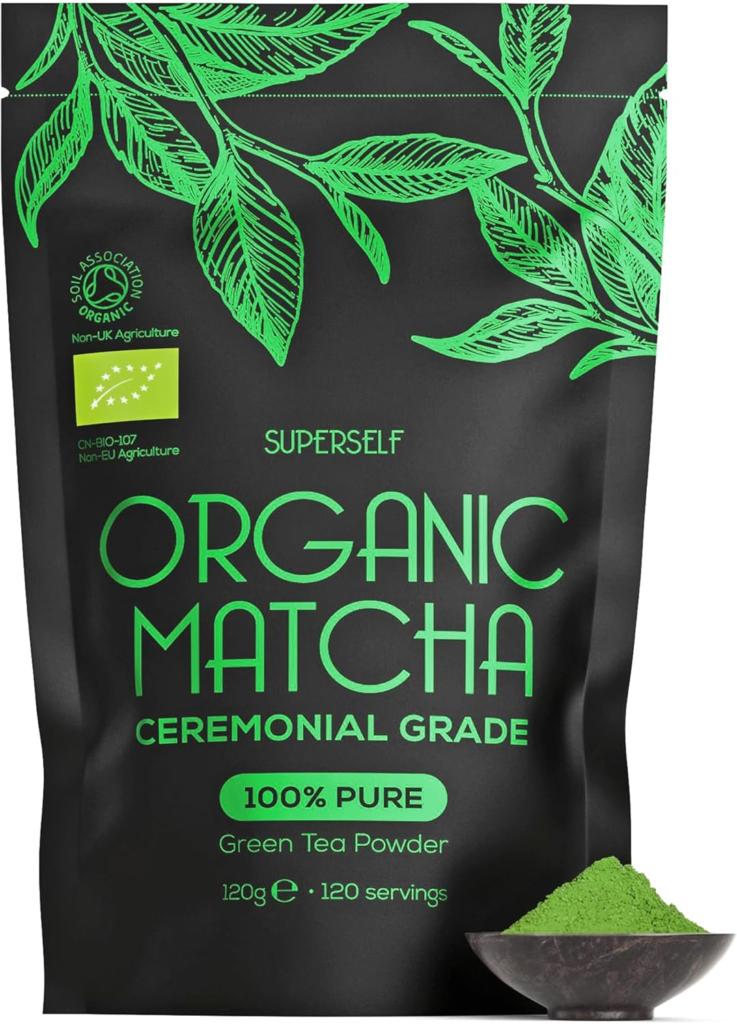
https://amzn.to/3RYVB0E GREEN TEA MATCHA
As an Amazon Associate, I earn from qualifying purchases.
Before purchasing, ensure the products align with your health needs.
https://amzn.to/4cHfJ0L Try Our Slimming Detox and Energy Teas
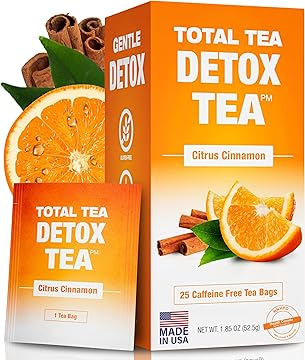

- Ingredients: Hawthorn Berry, Ginkgo Biloba Leaf, Astragalus Root, Apocynum Venetum Leaf, Goji Leaf, Rhubarb Root, Jasmin…
- Wildcrafted herbs for maximum potency and purity.
- Caffeine Free, Gluten Free, Non-GMO Project Verified, No Artificial Flavors or Added Preservatives.
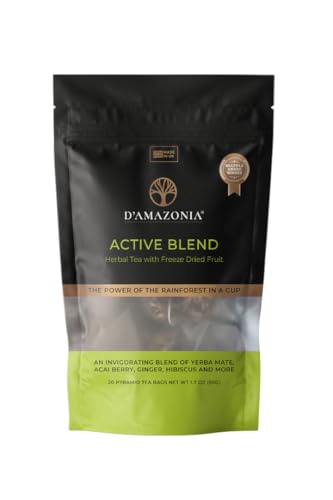
- Experience the natural power of herbal teas like Nettle Tea, Ginger Turmeric Tea Bags, Lemon Ginger Tea, and Hibiscus Fl…
- Relax with the benefits of Lavender Tea, Nettle Leaf, and Spearmint Tea Bags, while enjoying the functionality of blends…
- Crafted with premium ingredients like Organic Peppermint Tea Bags, Burdock Root Tea, and Hibiscus Tea Loose Leaf, our te…
